
Digging Deeper: Australian soil microbiomes since the introduction of “No Till” agriculture
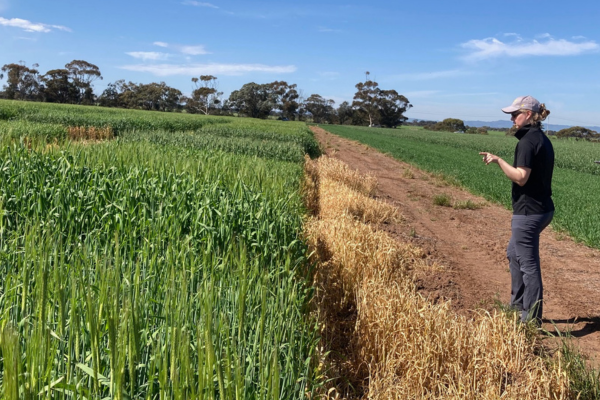
/Over the past two decades, Australian dryland broadacre farms have experienced significant changes in farming practices and climatic conditions, including the introduction of “No Till” farming. A team of researchers from The University of Adelaide, South Australian Research and Development Institute (SARDI), Flinders University, and AGRF have been investigating how these changes have impacted soil microbial communities across Australia as part of the DAFF-funded “Australian National Soil Initiative”. The research leverages an extensive archive of 17,000 soil DNA samples collected from broadacre agricultural paddocks, through SARDI’s Molecular Diagnostic PREDICTA® B soil disease testing service. The current focus is on analysing 1,000 samples from South Australia, Victoria, and Western Australia, collected between 2001 and 2022, providing a comprehensive timeline to assess changes in soil microbial communities.
The first step was to ensure the DNA archive had not degraded during storage, which could introduce systematic artifacts into the data. Borrowing priciples from Ancient DNA labs, researchers developed a novel PCR assay to test for information loss at increasing fragment lengths. The rationale was that, if the DNA quality was degraded longer target fragments would lose diversity information faster than shorter ones. The study demonstrated that this was not the case with the SARDI archive, validating the use of AGRF’s microbiome profiling techniques to analyse soil changes over the 21-year span.
References